For pain, stuck progress, or upcoming events, personal trainers or physical therapists can accelerate progress and prevent setbacks. They design tailored exercise programs aligned with your long term goals. Sports-focused physical therapists help plan and protect training to avoid sidelining injuries.
Conclude your workout with cooling down and stretching to reduce muscle stiffness and promote recovery. Consider consulting a qualified fitness professional, especially if you’re new to exercise best digital health apps or have specific health concerns. A personalized fitness plan tailored to your needs and abilities maximizes effectiveness and minimizes the risk of injury. Professional guidance provides valuable support and expertise. Monotony can quickly derail even the most dedicated fitness plans. Diversify your workouts to challenge your body and prevent boredom.

Prioritize Rest and Recovery: Essential for Muscle Growth and Injury Prevention
It is important to celebrate milestones along the way as a way of acknowledging progress and staying motivated. Long-term fitness goal success stories serve as inspiring examples of what can be achieved through dedication and perseverance. Overall, long-term fitness goals have a profound impact on an individual’s overall health and contribute positively to their well-being. For some individuals, navigating the world of nutrition can be overwhelming. Seeking guidance from a registered dietitian or nutritionist can provide valuable insight and personalized recommendations based on your long-term fitness goal.
of 5 / Tips for Success
While it might be tempting to indulge in unhealthy treats as a form of celebration, it’s more beneficial to choose rewards that support your long-term fitness aspirations. This could include things like a massage after completing a certain number of workouts or taking a day off for some well-deserved rest and relaxation after achieving a particular milestone. Staying motivated and consistent is a crucial part of achieving long-term fitness goals. In this section, we will discuss the common challenges individuals face when trying to stay committed to their fitness journey, as well as how to overcome these obstacles. Monitoring your body’s responses and adjusting your routine accordingly helps prevent overtraining and injury. Remember, consistency paired with proper safety and nutrition practices is key to reaching your fitness goals successfully.
Design a Well-Rounded Exercise Program
As you can see, ExercisePick is a content-oriented blog built around a handful of niches and interests. We do publish competitive reviews, informative solutions, knowledge-based guides, troubleshooting guide, how-to’s and lot more.
Closed Reston Taco Bell slated for demolition and replacement
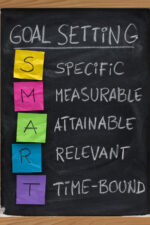
This approach makes it easier to stay motivated and track your progress. With 2026 here, many of us are setting New Year’s resolutions, often focused on health, fitness, and weight management. If your goal is to lose weight safely and sustainably, the best diet for weight loss is one that fits your lifestyle, supports your health, and is enjoyable enough to stick with long-term. Remember, progress is more important than perfection, and finding a balanced approach that works for you is the key to achieving your goals. By following the SMART criteria – Specific, Measurable, Achievable, Relevant, Time-bound – individuals can effectively plan and track their progress towards their long-term fitness goals. This approach not only helps in creating a personalized fitness plan but also ensures that the goals set are realistic and attainable.
Strength and Muscle Endurance
To optimize your sleep, establish a calming nighttime routine, avoid screen time before bed, and aim for 7-9 hours of restful sleep each night. As you already know, long-term fitness goals are usually those you aim to achieve within 6-12 months. (Remember the SMARTER goal-setting principle can be used for any short, medium, and long-term fitness goals AND in other areas of your life such as career, finances, or relationship). But maybe you’re thinking, “I have no idea what my long-term fitness goals should be,” or “How do you set goals in life when you have no idea where to even start?
What are long-term fitness goals, why do they matter and how can you set them?
If you have a major health condition like diabetes, high blood pressure, heart or lung disease, osteoprosis, or a neurological disease, definitely talk to your doctor first. People with mobility issues such as poor balance or arthritis should also get advice from their doctor. Several free calorie counting apps are well optimized for iPhone and iOS. The best option depends on whether you value clean design, quick logging, or more structured daily tracking. By applying these criteria consistently, we filter out apps that only appear free and highlight those that truly respect your time, data, and health goals. The apps listed next meet all of these standards, making them practical, transparent, and worth your attention.
Staying on track and achieving your fitness goals
- This can help motivate you and keep you on track when the big picture gets in the way.
- Nourishing your body fuels your workouts and supports recovery.
- By incorporating a balance of lean proteins, healthy fats, fruits, vegetables, and whole grains into your meals, you can fuel your body for optimal performance and recovery after workouts.
- It’s about consistent, manageable changes that add up over time.
- Whether it’s lifting weights, going for a run, practicing yoga, or participating in group fitness classes, find something you enjoy.
- Think of long term goals as direction-setting, guiding your exercise program and training decisions through multiple short term steps.
Mid-term planning stretches across 3 to 6 months, focusing on achievable goals like building strength or improving endurance. However, even mid-term plans don’t always address the lifestyle changes necessary to maintain fitness year-round. Incorporating a sustainable fitness plan into your life isn’t about rushing to reach a destination but about creating habits that will benefit your health and well-being for years to come. Watch the video below to discover the next steps you can take after setting your health and fitness goals.
Simple ways to save money for the future
Then estimate how much money you’ll need and how long it might take you to save it. The first step to start saving money is figuring out how much you spend. Keep track of all your expenses—that means every coffee, household item and cash tip, as well as regular monthly bills. Record your expenses however is easiest for you—a simple spreadsheet, free online spending tracker or app, or even pencil and paper. Once you have your data, organize the numbers by categories, such as gas, groceries and mortgage, and total each amount.
Incorporating Cardio, Strength, and Flexibility
Meaning your subconscious mind doesn’t believe you can really achieve the results you desire. So you never take any actions to achieve your short-term and long-term fitness goals. Meaning you continue to be frustrated and unhappy about your list of long-term health goals. Many people think of exercise as an integral part of weight loss, and although diet is also extremely important, they’re not wrong.
No Responses