The evolution of gambling a historical journey through luck and strategy
The Origins of Gambling
The history of gambling dates back thousands of years, with evidence found in ancient civilizations such as Mesopotamia, China, and Rome. Dice, one of the oldest gaming tools, were discovered in archaeological digs that date back to around 3000 BC. These early games were simple, often based purely on chance, and served as entertainment during social gatherings. Ancient Chinese documents hint at the existence of betting games, demonstrating that the allure of risk and reward has been a part of human culture for millennia. Today, players can even find fast withdrawal casinos that mirror the excitement of those ancient games.
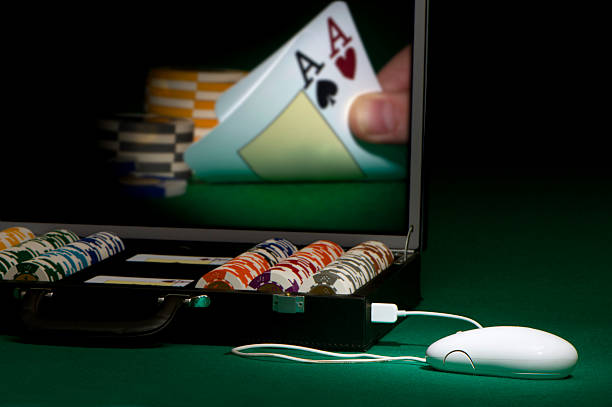
The introduction of playing cards in the 9th century in China revolutionized gambling. Cards became an essential part of gaming culture, eventually spreading to the Middle East and Europe. In Europe, different regions developed their own unique styles of card games, creating a diverse landscape of gambling options. By the 17th century, gambling houses began to emerge, providing a formal venue for these activities and marking the shift from informal, social betting to organized gambling.
As gambling evolved, so did societal attitudes towards it. Initially viewed as a pastime for the elite, gambling began to permeate all social classes. The establishment of lotteries in the 15th century in Europe was a significant milestone, as it offered a regulated way for people to gamble. The revenues generated funded various public projects, thereby promoting gambling as a civic duty rather than a vice. This period marked the beginning of a complex relationship between gambling and society, one that continues to evolve today.
The Rise of Casinos
The 18th century saw the emergence of the first modern casinos, particularly in Italy with establishments like the Casino di Venezia, which opened its doors in 1638. These venues were initially exclusive to the wealthy, featuring games that required skill and strategy, such as faro and baccara. The lavish atmosphere of these casinos attracted aristocrats and nobility, and their popularity soon spread across Europe. The concept of the casino as a hub for entertainment and socialization became firmly established during this period.
In the 19th century, the modern casino began to take shape, particularly with the introduction of the roulette wheel in France. This game, combining luck and strategy, quickly captured the public’s imagination. As the Industrial Revolution transformed society, more people gained disposable income and leisure time, making gambling accessible to a broader audience. The establishment of casinos in cities like Monte Carlo and Las Vegas solidified the idea of gambling as an exhilarating form of entertainment, often featuring extravagant shows and luxurious amenities.
As casinos flourished, so did regulations. Governments recognized the potential tax revenue from legalized gambling and began to establish frameworks to control it. The United States, in particular, saw a boom in casinos during the 20th century, with Nevada becoming the epicenter of legalized gambling. This era not only brought forth iconic venues like The Bellagio and Caesars Palace but also prompted discussions about responsible gambling, setting the stage for future developments in the industry.
The Digital Revolution in Gambling
The advent of the internet in the late 20th century revolutionized gambling, allowing players to enjoy their favorite games from the comfort of their homes. Online casinos began to emerge in the mid-1990s, providing an unprecedented level of convenience and accessibility. Players could access a variety of games, from slots to poker, and participate in live dealer games, creating an immersive experience reminiscent of traditional casinos. This transition marked a pivotal moment in the evolution of gambling.
The online gambling industry grew rapidly, leading to the establishment of regulatory bodies to oversee it. Countries like the United Kingdom introduced licensing and regulations to ensure fair play and protect consumers. The ability to place bets via smartphones and tablets further accelerated the industry’s growth, making gambling an integral part of modern entertainment. Promotions, bonuses, and loyalty programs became vital tools for attracting and retaining players in this highly competitive market.
However, this digital transformation also introduced new challenges. Issues related to responsible gambling emerged as a pressing concern, prompting operators to implement measures to promote safe play. Features like deposit limits, self-exclusion options, and responsible gambling resources became standard in the industry. The evolution of gambling in the digital age has been marked by the balance between innovation and ethical responsibility, shaping a more conscientious gaming environment.
The Intersection of Gambling and Culture
Throughout history, gambling has intertwined with various cultures and societies, often reflecting their values and norms. In many cultures, games of chance and skill are celebrated as rites of passage, community events, or festive occasions. For instance, traditional games like Mahjong in China or Lotería in Mexico play crucial roles in social gatherings, emphasizing the communal aspect of gambling.
In literature and film, gambling has often been depicted as a double-edged sword, embodying themes of luck, fate, and moral dilemmas. Classics like Dostoevsky’s “The Gambler” explore the psychological complexities of addiction and the pursuit of fortune. Similarly, films like “Casino Royale” showcase the glamorous yet perilous world of high-stakes gambling, portraying both the thrill and the risks involved. These narratives have contributed to a rich tapestry of cultural perceptions surrounding gambling.
Despite its evolving nature, gambling has often been met with controversy. Social stigmas and legal prohibitions in various regions highlight ongoing debates about its ethical implications. While some view gambling as a form of entertainment and a legitimate economic activity, others argue against its societal impact. This ongoing dialogue illustrates how gambling not only serves as a form of leisure but also as a mirror reflecting societal values and challenges.

Your Guide to Responsible Gambling
In the ever-evolving landscape of gambling, promoting responsible practices has become crucial. As players engage in various forms of gambling, understanding the importance of responsible gambling tips can enhance their experience while minimizing potential risks. Setting limits on time and money spent is essential in maintaining control, allowing individuals to enjoy their favorite games without the threat of addiction. Awareness of one’s gambling habits and recognizing the signs of problem gambling are vital for a healthier relationship with the activity.
Additionally, educating oneself on the odds and strategies of various games can empower players to make informed decisions. Knowledgeable players are better equipped to manage their expectations and approach gambling as a form of entertainment rather than a way to make money. Many online casinos now offer resources and tools for players to monitor their gambling activity and promote safe play, ensuring that entertainment remains the primary objective.
Lastly, seeking help when needed is a fundamental aspect of responsible gambling. Numerous organizations provide support and resources for individuals facing gambling issues, emphasizing that asking for help is a sign of strength. As the gambling industry continues to evolve, fostering a culture of responsibility and awareness will ensure that it remains a safe and enjoyable form of entertainment for everyone.
No Responses